In the vibrant and dynamic landscape of contemporary Pentecostal formation, it is impossible to overlook the profound and lasting influence of the Church of God in Christ (COGIC). While I harbor some theological disagreements with COGIC—particularly regarding its Trinitarian position, its interpretations of holiness, and its assertion that baptism in the name of the Lord Jesus and the experience of Pentecost are not integral to salvation—I hold a deep-seated respect for its historical significance and spiritual impact.
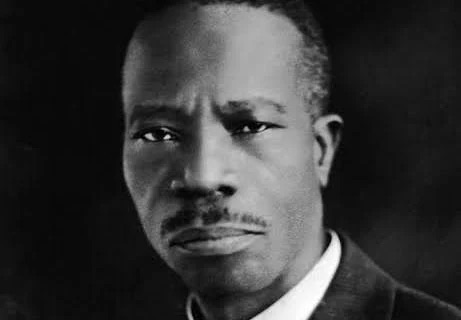
This respect is especially poignant when we contemplate the extraordinary life of the late Bishop C.H. Mason. His theological convictions were not merely abstract beliefs but were deeply entwined with an authentic Christian experience and a steadfast devotion to prayer—a crucial element I believe exemplifies true Apostolic faith.
Why should we highlight a non-Oneness Pentecostal figure like Mason? Because there is a valuable lesson in recognizing the remarkable contributions of those who may not align perfectly with our doctrinal beliefs. Mason’s life serves as a testament to the incredible works of God that emerge from sincere seekers, reminding us that the Holy Ghost can manifest powerfully wherever earnest faith and fervent prayer are present.
One of the most compelling accounts illustrating Mason’s ministry involves a heart-wrenching incident: a woman had tragically passed away, and, instead of consenting to the somber customs of mourning, her grieving sister took her lifeless body to Mason Temple. The air was thick with expectation as the saints gathered, their fervent prayers rising up like incense from dawn until dusk. Under the electric presence of the Holy Ghost, Bishop Mason boldly proclaimed, “Woman, God healed you,” and to the astonishment of all, the woman arose from the coffin, her miraculous revival making headlines in local Memphis newspapers and igniting a powerful wave of faith within the community.
Bishop Mason’s legacy also embodies a courageous refusal to conform to the rigid expectations of the intellectual Black bourgeoisie of his era. He firmly believed that true spiritual expression and the transformative power of the gospel did not emerge from adhering to societal norms but flowed from a life wholly surrendered to prayer and the dynamic influence of the Holy Ghost.
As we ponder this remarkable legacy, let us be reminded that the true hallmark of revival is the undeniable power of God, which flows from the unshakeable foundation of the gospel of Jesus Christ and is channeled through lives that are entirely devoted to prayer. May we find inspiration to renew our commitment to fervent, Holy Ghost-empowered prayer, aware that through such devotion, the boundless powe
 238Media